

KPV Lysine / Proline / Valine (10mg)
Original price was: $59.99.$49.99Current price is: $49.99.
7 published certificates
Certificate information is temporarily unavailable.
Description
A short tripeptide composed of the amino acids lysine, proline, and valine. It is a naturally occurring peptide fragment derived from the C-terminal region of alpha-melanocyte-stimulating hormone (α-MSH).Not for human use.
Documentation & Quality Assurance
Each lot is sourced through our verified global supply chain with emphasis on traceability and quality control.These documents are reviewed internally and displayed as they become available.
Important Notice
This product is intended for laboratory research use only. It is not intended for human or veterinary use, and must not be used for diagnostic, therapeutic, or clinical purposes.
This material is not a drug, medical device, or dietary supplement, and has not been evaluated by the U.S. Food and Drug Administration.
Quality & Manufacturing
We work directly with the manufacturers. Each supplier is reviewed for reliability, documentation integrity, and transparency in testing.
Our minimum purity standard is 98%. Every batch we ship has its own certificate of analysis, and every certificate confirms identity, purity and net content. Where available, endotoxin testing results are included on Certificates of Analysis to verify laboratory purity; their inclusion is for research quality assessment only and does not imply suitability for human or veterinary use.
All research materials are sealed for integrity and packaged for stability during storage and transport from manufacturing through final delivery.
Additional information
| Weight | 0.0625 lbs |
|---|
Storage Instructions
All products from House of Compounds are manufactured using a lyophilization (freeze-drying) process. This method is designed to maintain product integrity and allows vials to remain stable during shipping for approximately 3–4 months.
Once a vial is reconstituted with bacteriostatic water, it should be stored in the refrigerator to help maintain stability. Under these conditions, reconstituted material is generally considered stable for up to 30 days.
Lyophilization is a dehydration technique in which compounds are frozen and then exposed to low pressure. This causes the water in the vial to sublimate directly from solid to gas, leaving behind a stable, crystalline white structure. This powder can be kept at room temperature until reconstitution.
Upon receipt, products should be stored away from heat and light. For short-term use, refrigeration at approximately 4°C (39°F) is suitable. For long-term storage (several months to years), vials may be placed in a freezer at approximately -80°C (-112°F). Freezing is the preferred method for preserving product stability over extended periods.
⚠️ Important Notice:
These products are intended for research use only. Not for human consumption.
Related products
-
Sale!
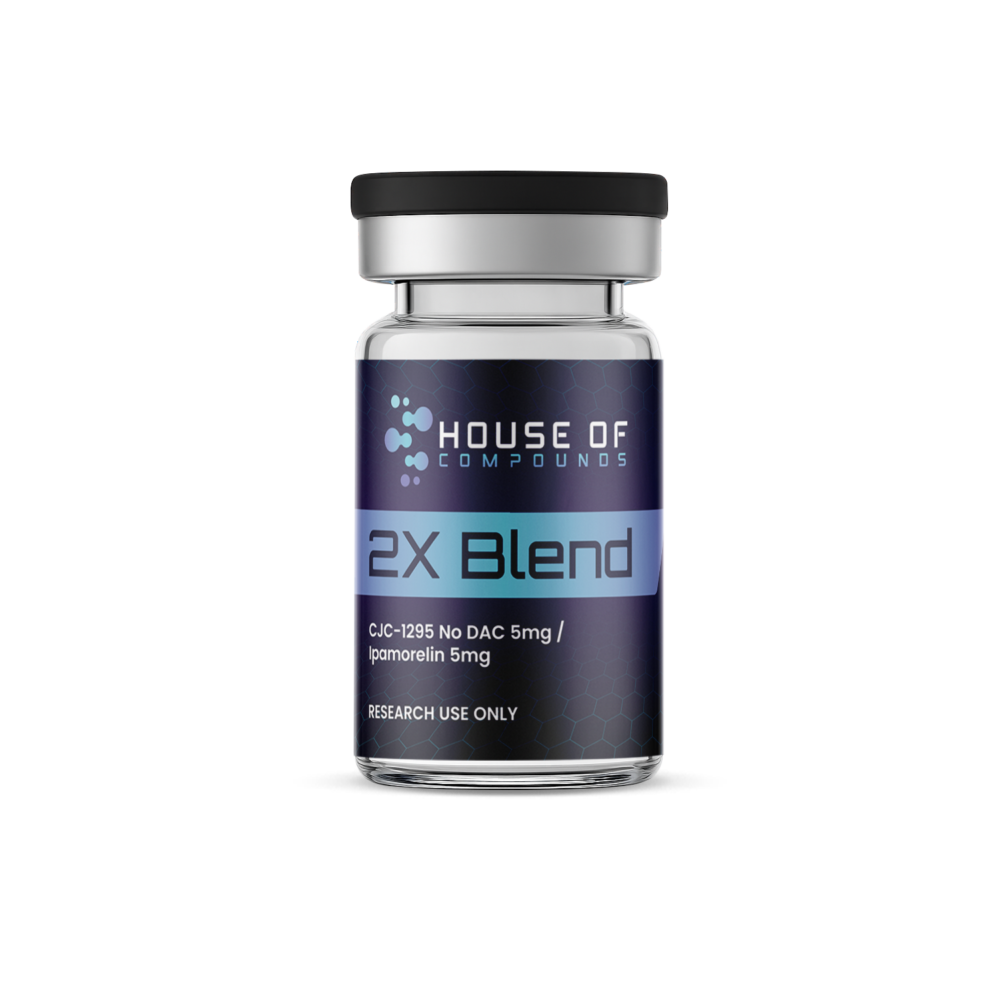
2X Blend CJC-1295 Without DAC (5mg) / Ipamorelin (5mg)
Original price was: $89.99.$74.99Current price is: $74.99. -
Sale!
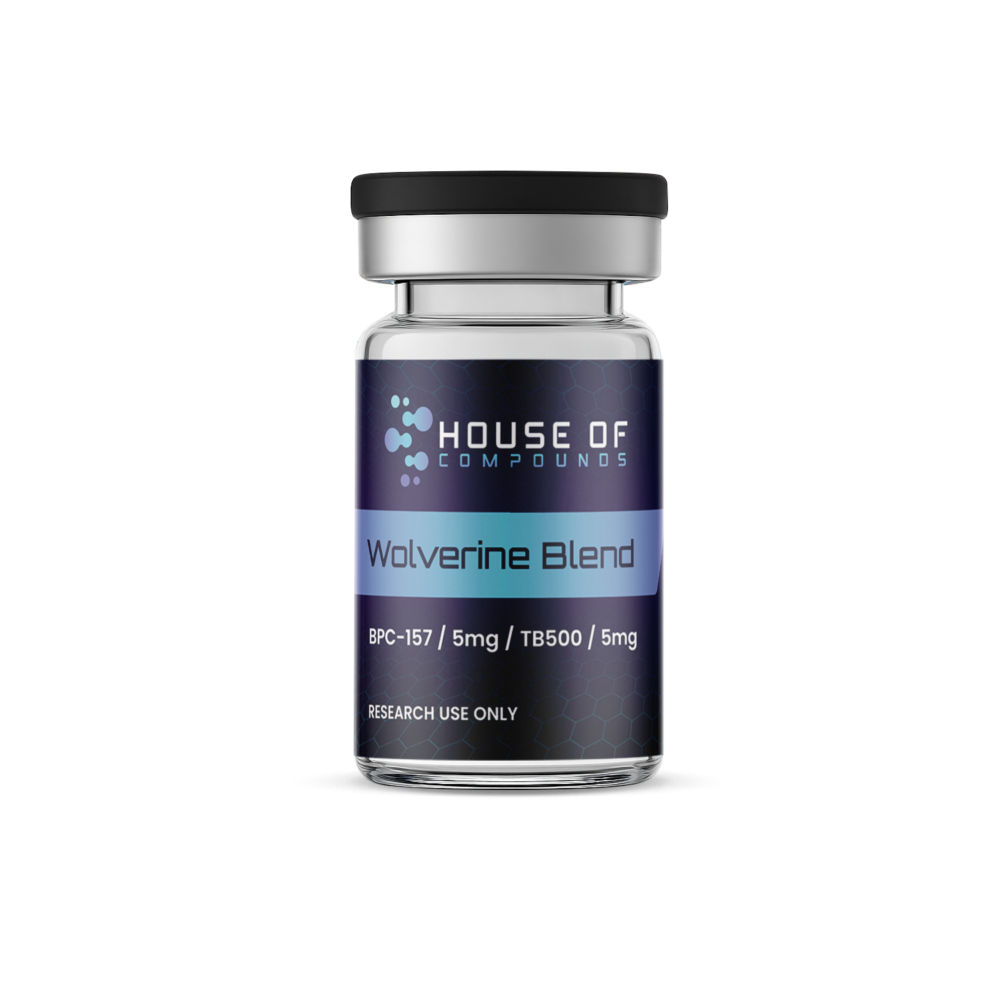
Wolverine Blend – BPC-157 (5mg) / TB500 (5mg)
Price range: $84.99 through $129.99Select options This product has multiple variants. The options may be chosen on the product page -
Sale!
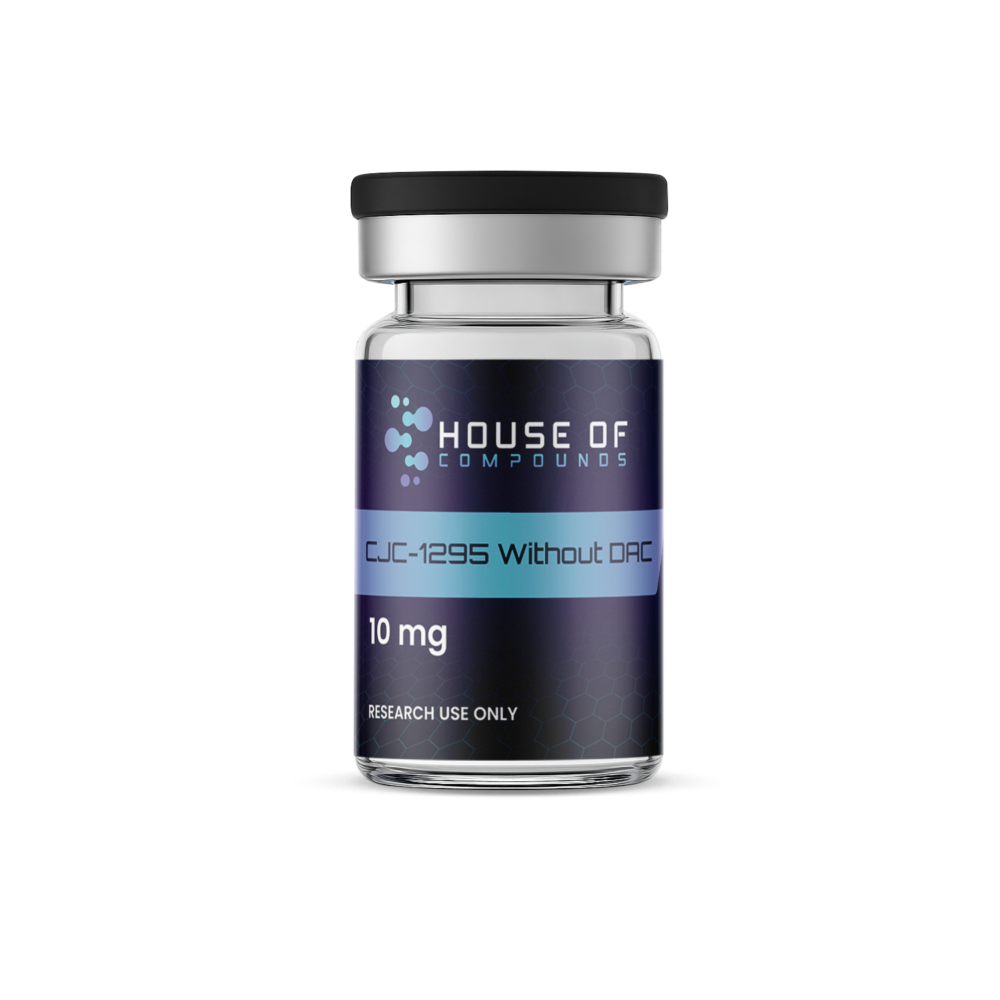
Research Use Only
The following peer-reviewed publications reference compounds for laboratory and in vitro research purposes only. Not for human or animal use. Not intended to diagnose, treat, cure, or prevent any disease or condition.
Published Scientific Research
Peer-reviewed laboratory studies investigating research peptides
KPV attenuates adipogenesis and lipid metabolism through modulation of ROS-mediated AKT/mTORC1/PPARγ signaling.
In this study, we investigated the regulatory effects of KPV on MDI-induced adipocyte differentiation in 3T3-L1 preadipocytes. In addition, KPV decreased the expression of key adipogenic markers, including peroxisome proliferator-activated receptor gamma (PPARγ) and fatty acid synthase (FAS).
View Full StudyPeptides: Emerging Candidates for the Prevention and Treatment of Skin Senescence: A Review.
Based on their mechanism of action, they can be classified into signal peptides, carrier peptides, neurotransmitter inhibitor peptides, and enzyme inhibitor peptides. Increasing peptide bioavailability and stability for enhanced delivery to the desired site of action and visible effects have become central points for the latest research due to their promising features.
View Full StudyBioactive peptides in cosmetic formulations: Review of current in vitro and ex vivo evidence.
Their claimed biological activities include signaling to increase collagen and hyaluronic acid production, modulation of pigmentation, maintenance of a healthy skin microbiome, antioxidant activity and cellular defense, immunomodulation, neurotransmitter inhibition, enzyme activity inhibition and trace mineral carriers.
View Full StudyKPV and RAPA Self-Assembled into Carrier-Free Nanodrugs for Vascular Calcification Therapy.
Cardiovascular disease (CVD) is a leading cause of death globally, and vascular calcification (VC) is an important independent risk factor for predicting CVD. Currently, there are no established therapeutic strategies for the treatment of VC. Although recognized combination therapies of nanomedicines can provide effective strategies for disease treatment, the clinical application of nanomedicines is limited because of their complex preparation processes, low drug loading rates, and unpredictable
View Full StudyThe functional role of m6A demethylase ALKBH5 in cardiomyocyte hypertrophy.
The m6A demethylase ALKBH5 is reported to be associated with cardiovascular diseases, whereas the functional role of ALKBH5 in cardiomyocyte hypertrophy remains confused. Subsequently, RNA immunoprecipitation (RIP)-qPCR, MeRIP-qPCR analysis and the dual-luciferase reporter assays were applied to elucidate the regulatory mechanism of ALKBH5 on cardiomyocyte hypertrophy.
View Full StudyElucidation of Complex Dynamic Intermolecular Interactions in Membranes.
Therefore, an understanding of dynamic and complex intermolecular interactions among these membrane constituents is needed to elucidate their mechanisms.
View Full Study